AI requires a smarter grid — and so does everyone else
Why the grid flexibility built for AI must also protect households, or we risk two energy systems.
Latitude Media · 8 min read
In brief
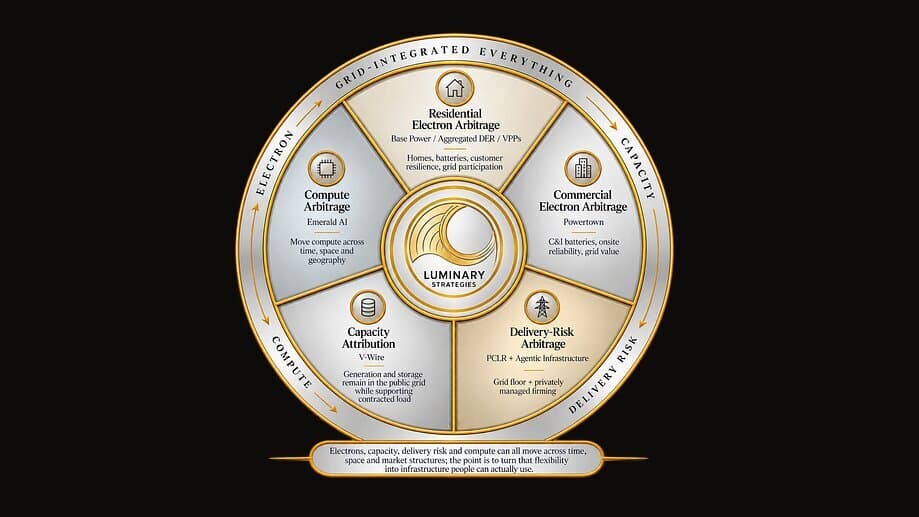
Arushi uses a recent record heatwave, in which half a million customers voluntarily cut or shifted their use, to show how far grid flexibility has come and what remains unfinished: using existing wires more fully and activating every signal-responsive asset. Drawing on California’s 2022 heatwave and Texas after Winter Storm Uri, she argues that AI data centers should become flexible grid assets through the same coordination now built into distributed energy. She warns against “two energy systems,” one serving big data with urgency and one failing people, and calls for grid policy that also protects human welfare.
Key points
- 01Two unfinished tasks: use existing wires more hours and activate every signal-responsive asset.
- 02Data centers can be a major source of flexibility, not just load.
- 03Grid policy for AI must also secure resilience for households.
“The question has never really been about what is possible. It is about choice.”