A Consumer-First Grid: How Texas is Privatizing Transmission Delivery Risk to Win the AI Century
Why letting large energy users carry transmission delivery risk could get them connected to power sooner.
C3 Journal · 7 min read
In brief
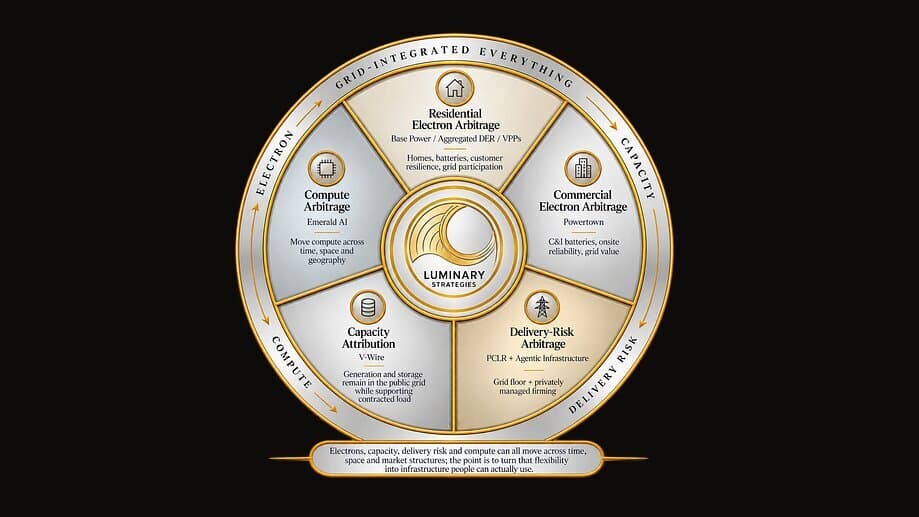
Arushi argues that America’s grid has reached a structural breaking point: AI infrastructure, data centers and industrial reshoring need power now, while high-voltage transmission upgrades take five to seven years to deliver firm capacity. Rather than leave large energy users waiting in line, she makes the case for private capital to carry transmission delivery risk. If flexible loads can help manage grid constraints the way generators do, she asks, why shouldn’t they also “connect and manage” and energize sooner? She closes with what electing ERCOT’s new Provisional Controllable Load Resource status means for developers and investors.
Key points
- 01Waiting five to seven years for transmission upgrades holds back AI, data centers and reshoring.
- 02Privatized firm delivery risk is the capital markets’ answer to waiting for the grid to build.
- 03Loads that help manage grid constraints should be able to connect and manage, as generators do.